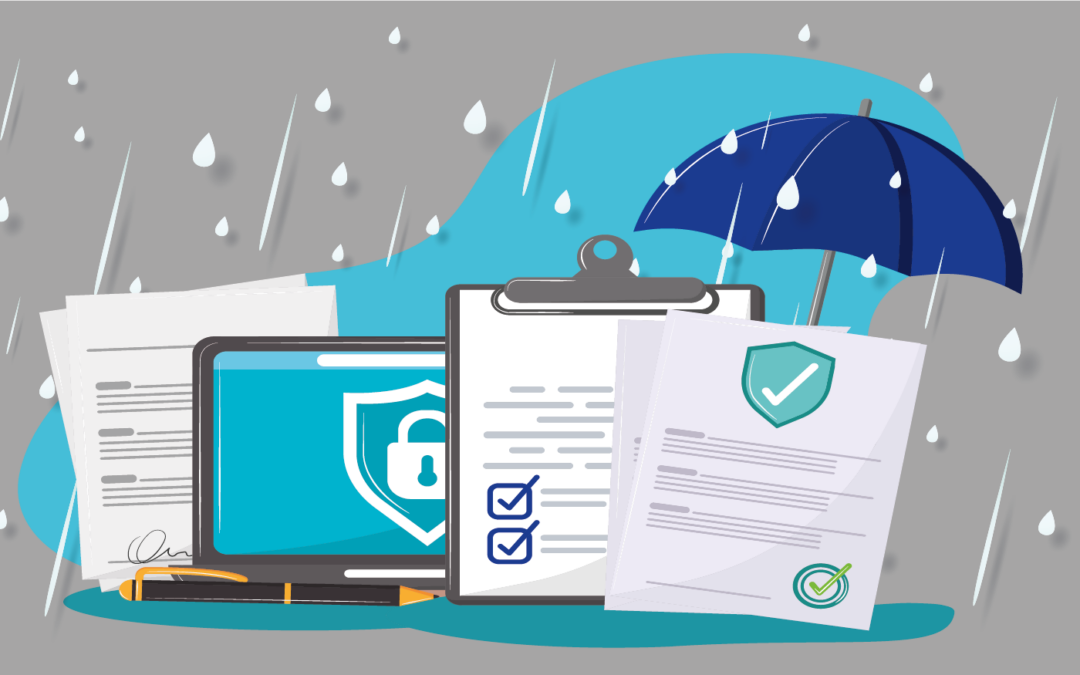
The U.S. Department of Health and Human Services (HHS) Office for Civil Rights has made October the National Cybersecurity Awareness Month (NCSAM). Why? Healthcare companies are falling prey to hackers, resulting in huge privacy breaches, and the problem is only...
As a rural health clinic (RHC) or federally qualified health center (FQHC), you must have an Emergency Preparedness Plan in place. First, you did an all-hazards risk assessment. Next, you created policies and procedures that show how to evacuate patients and staff,...
Are you still developing your Emergency Preparedness Plan for your rural health clinic (RHC) or federally qualified health center (FQHC)? Most likely, you’ve already conducted an all-hazards risk assessment. You found all possible emergencies that could happen at...
Are you ready to meet the Emergency Preparedness Plan deadline for your rural health clinic (RHC) or federally qualified health center (FQHC)? The purpose of an emergency preparedness plan is to safeguard human resources, maintain business continuity, and protect...
Although you aren’t required to have an information system asset inventory, having one will help you meet several requirements of the HIPAA Security Rule, including risk analysis and management, information systems activity review, device and media management, and...
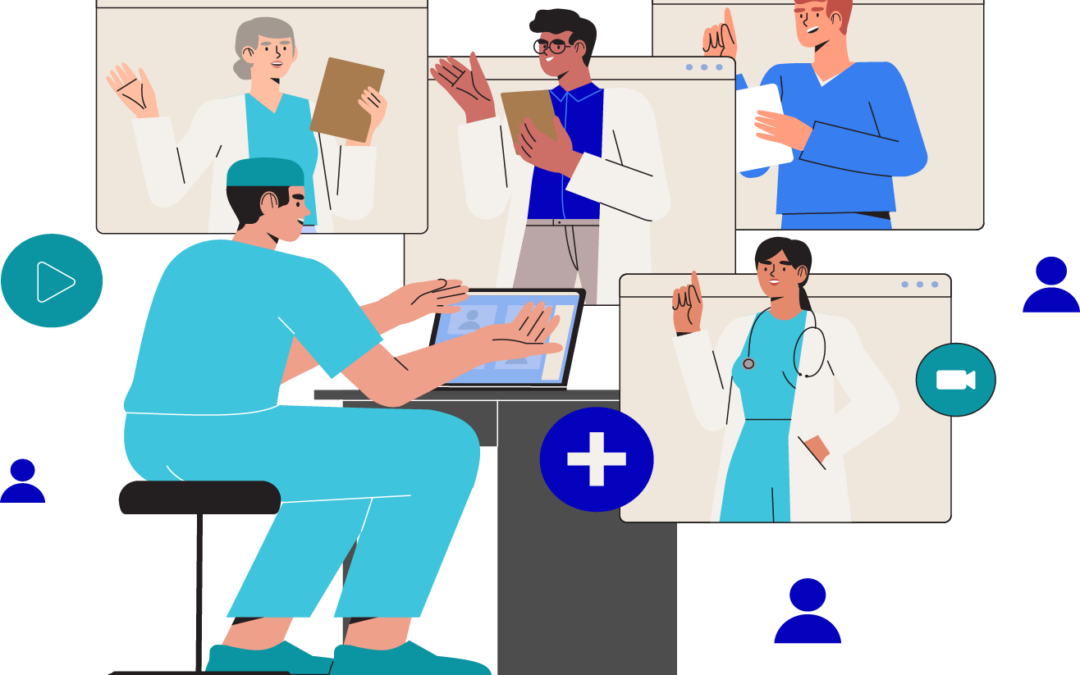
Patients don’t want to be put on hold. They’re tired of accommodating to constraining office hours. Consequently, they’re looking for easy ways to communicate with their providers. Technology can solve many of patients’ communication frustrations. Many systems allow...